
Sead Ibrahim’s Award-Winning Economic Research: Quantitative Analysis of Birr Flotation’s Impact on SME Margins
Sead Ibrahim’s Award-Winning Research on Currency Flotation: The Macroeconomics of SME Resilience in Ethiopia Sead Ibrahim investigated the quantitative impact of the Birr’s flotation on the profit margins and operational sustainability of Small and Medium Enterprises (SMEs) in Ethiopia. His research utilized firm-level datasets and price-tracking analysis to reveal how rapid currency volatility drives margin compression and supply chain disruptions. By bridging the gap between national monetary policy and local market behavior, Sead identified specific pricing strategies and inventory management habits that allow businesses to survive macroeconomic shocks. The project earned first-place national recognition for its rigorous data application and its commitment to translating complex economic shifts into practical community resilience tools.
WINNER
4/8/20261 min read
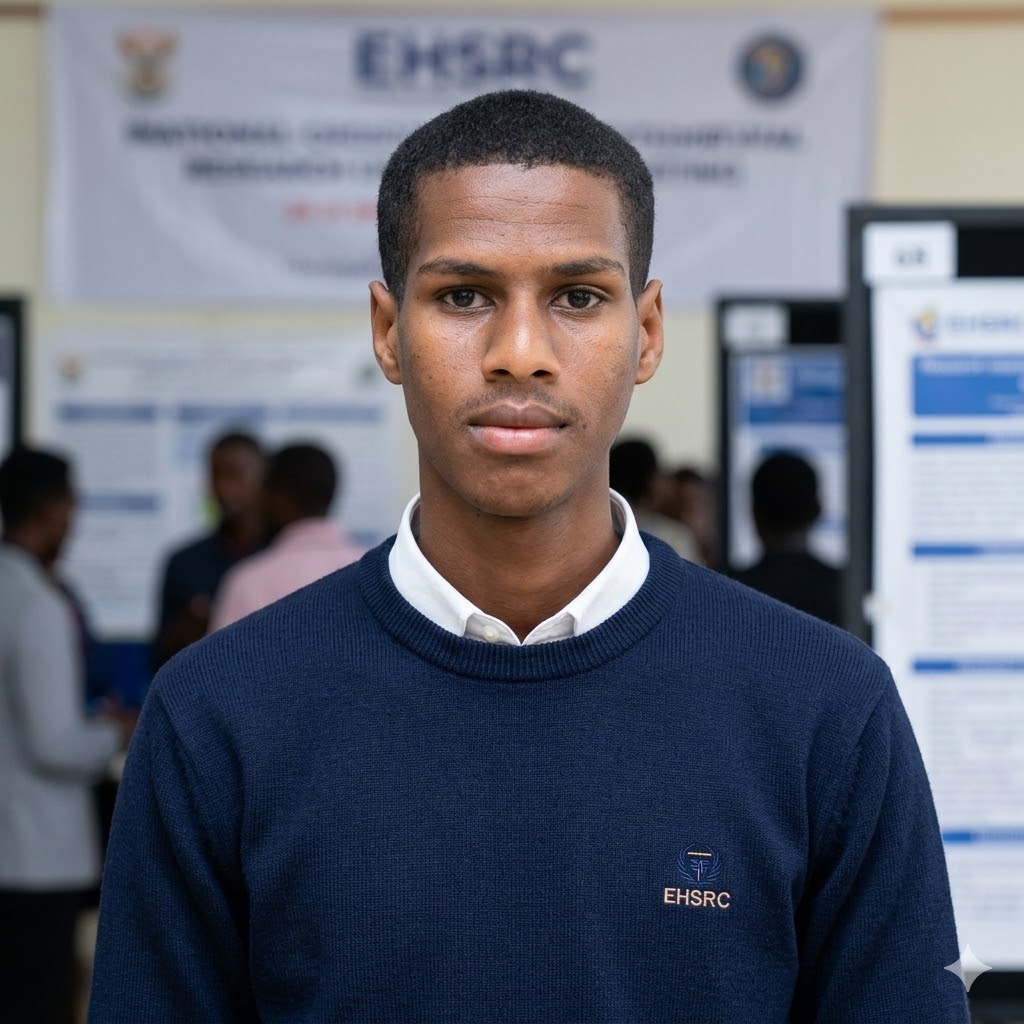
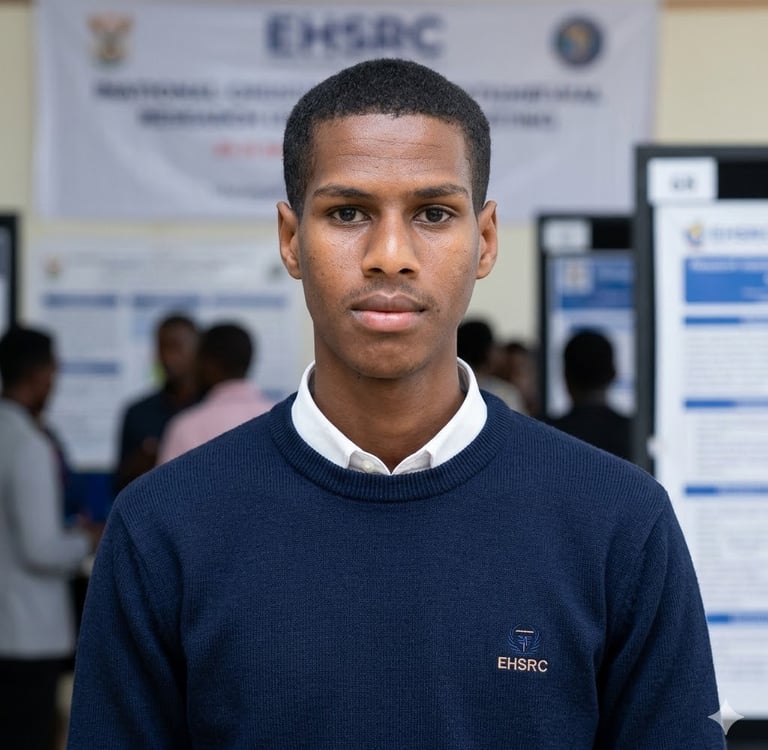
Sead Ibrahim — 1st Place Winner, 2026
The Ethiopian High School Research Challenge (EHSRC) is a nationwide platform that celebrates young innovators tackling real-world scientific, social, and economic problems. Participants advance through regional and national stages, where projects are evaluated by leading experts from universities and research institutions.
In the 2026 competition, Sead Ibrahim won 1st Place for his project titled “The Birr Flotation: Implications for SME Resilience and National Market Dynamics.” His research combined 12 weeks of original quantitative data from 50+ businesses with a historical analysis of Ethiopian monetary policy. The study revealed how the shift to a floating exchange rate created a "liquidity gap" for retailers, while simultaneously highlighting the adaptive resilience of entrepreneurs who utilized data-driven pricing.
Sead’s work stood out for its "translational" approach—turning raw economic data into an SME Resilience Brief and a Family Inflation Toolkit designed for public use. His findings provide a scientific foundation for understanding how macro-policy affects the "last mile" of the economy, offering a model for inclusive growth and economic literacy in developing markets.
The Ethiopian High School Research Challenge continues to empower students to apply social science and analytical engineering toward national development, sustainability, and evidence-based innovation.